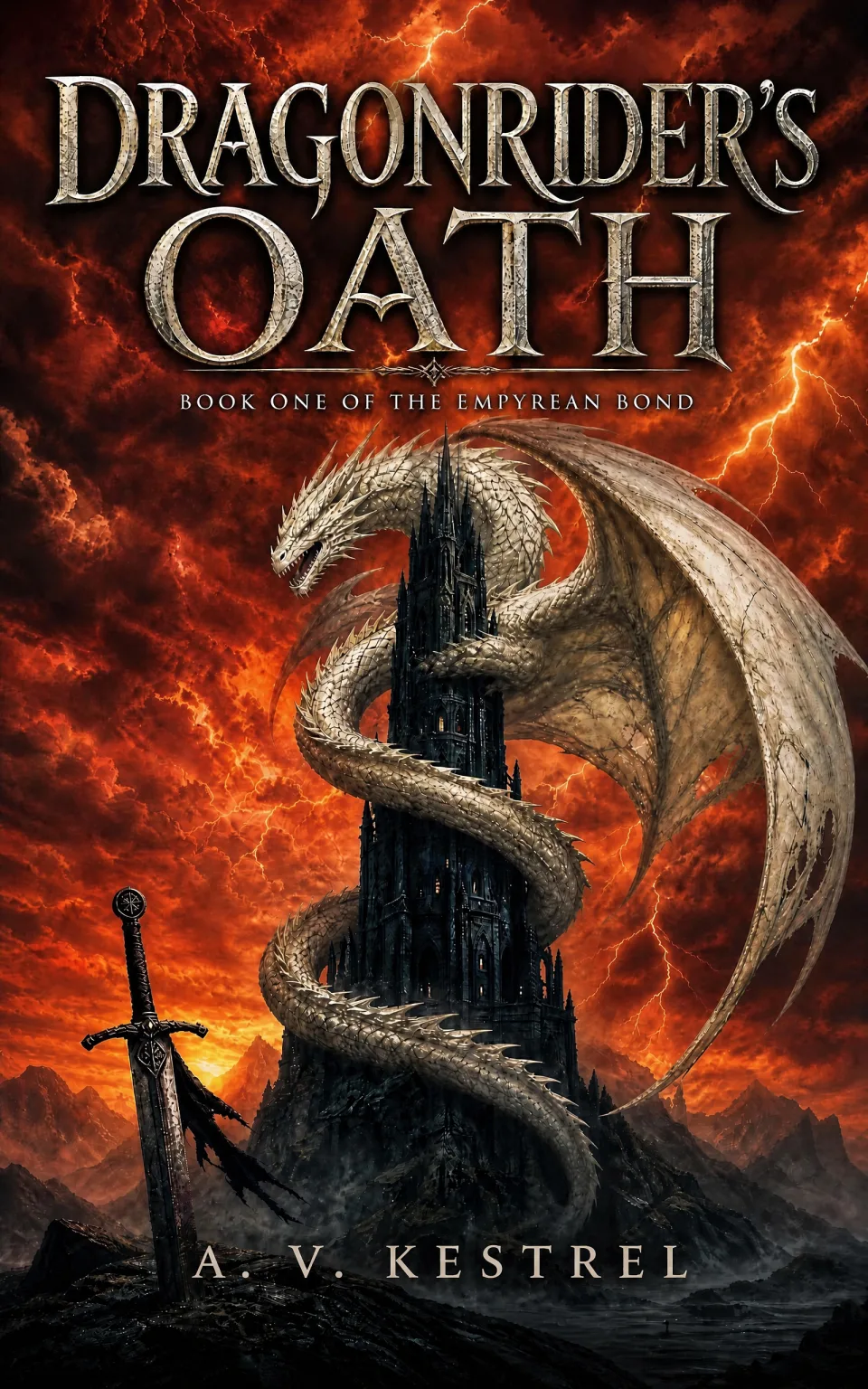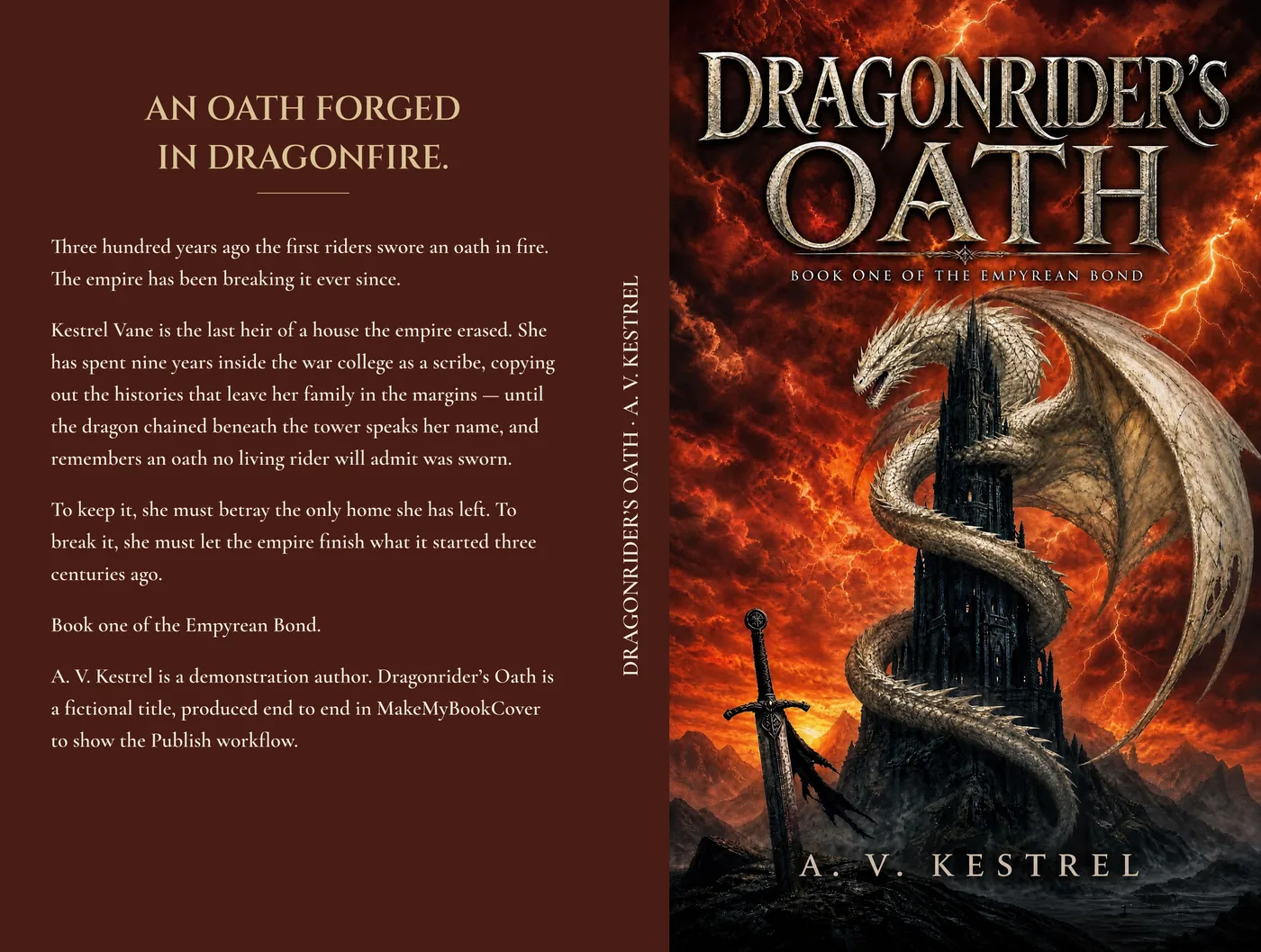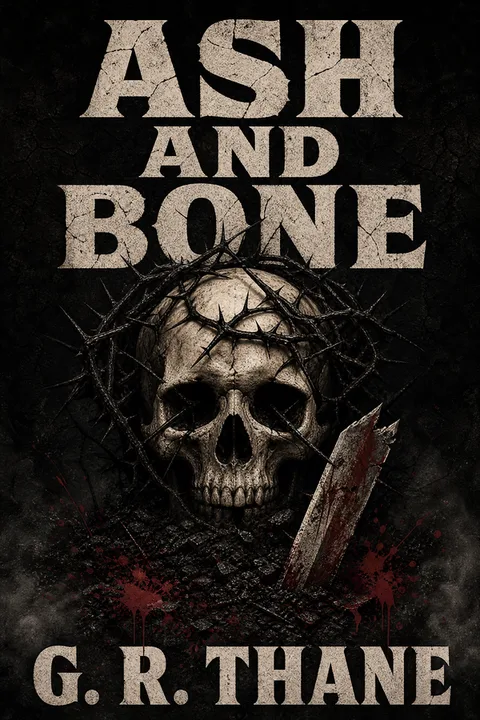
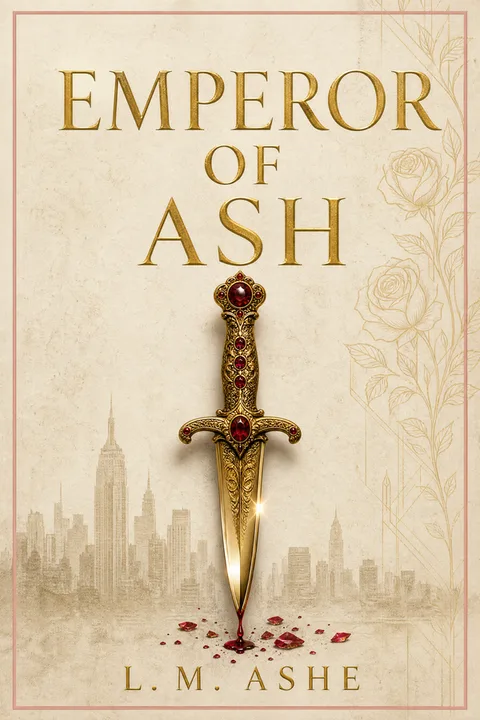
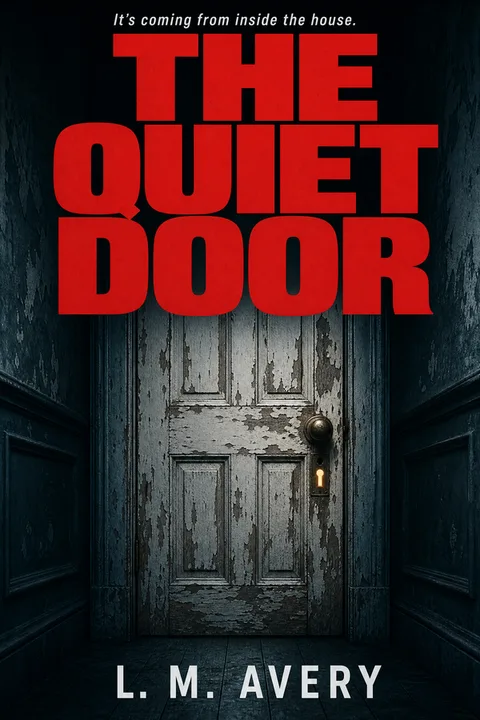
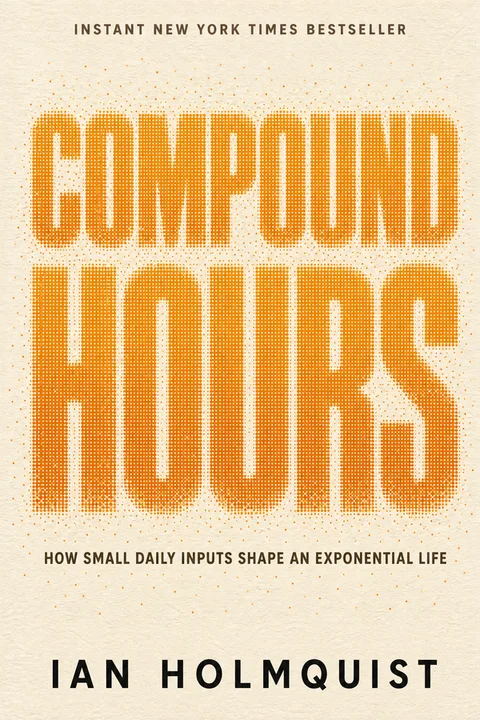
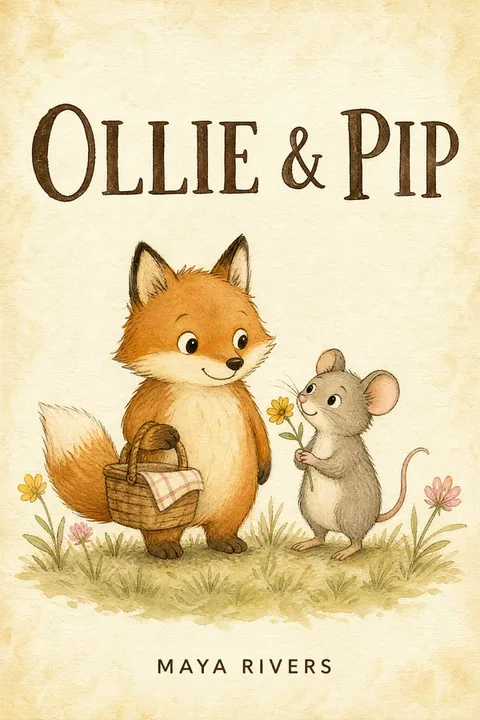
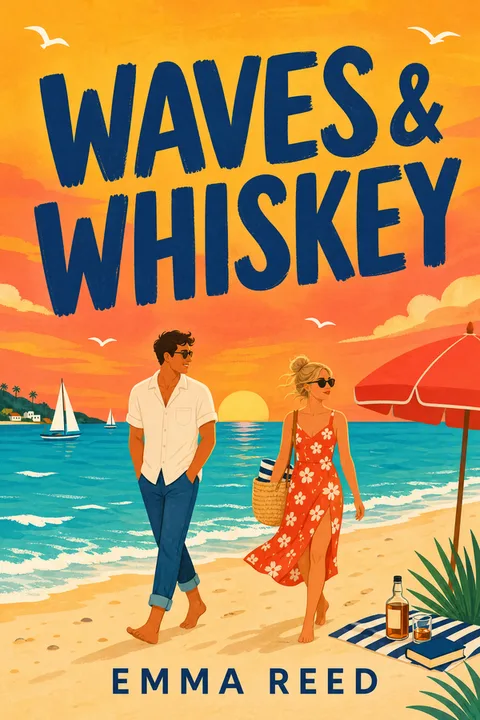
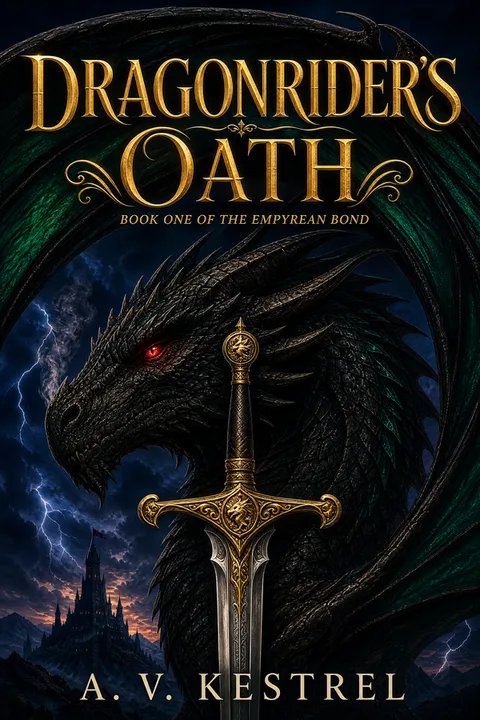

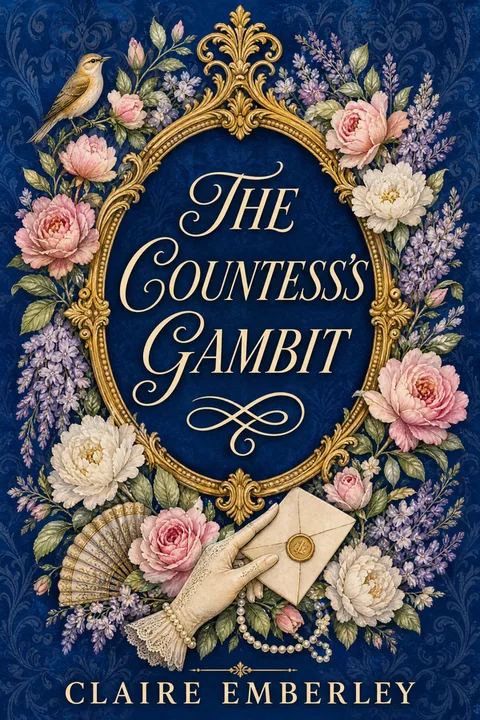
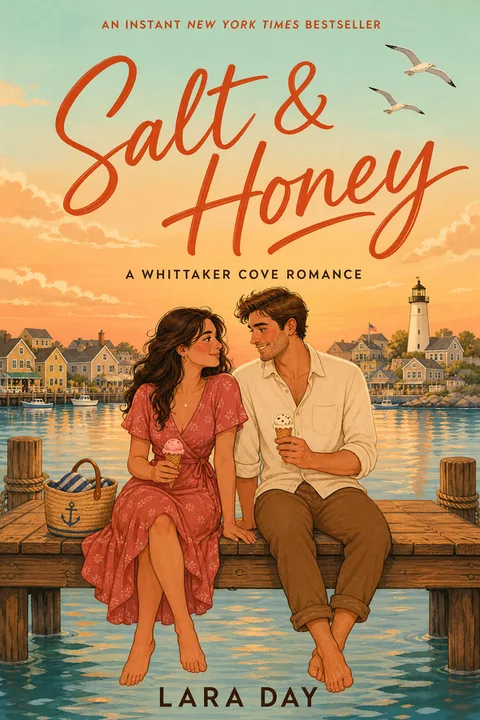
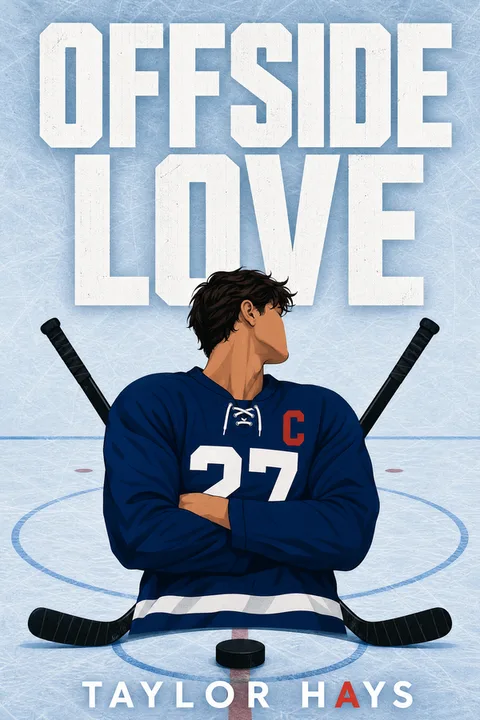
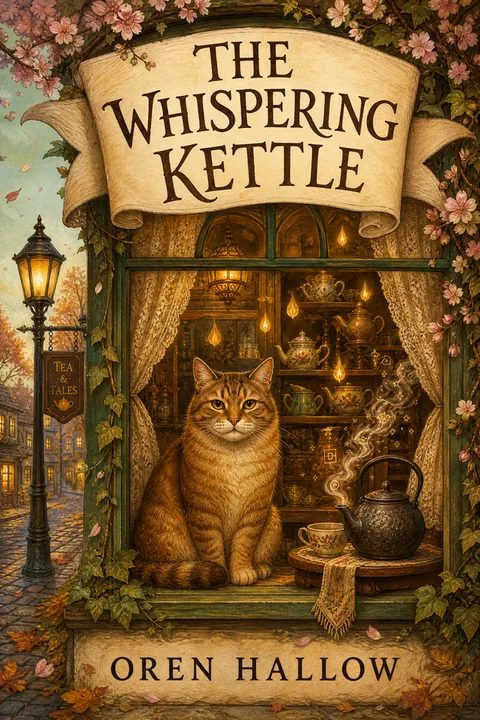
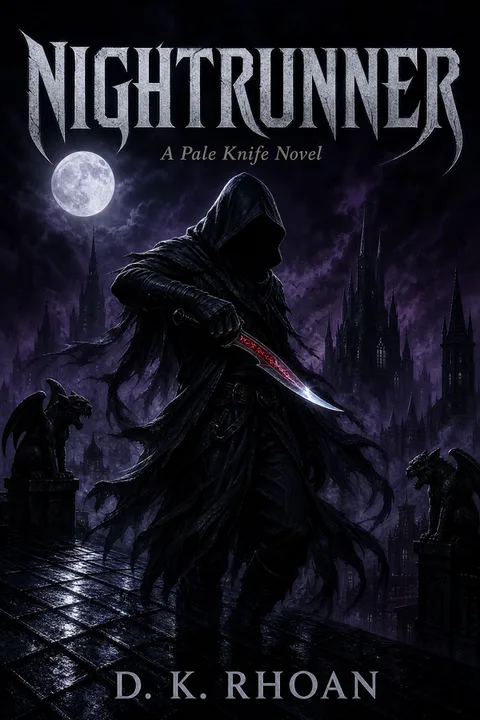
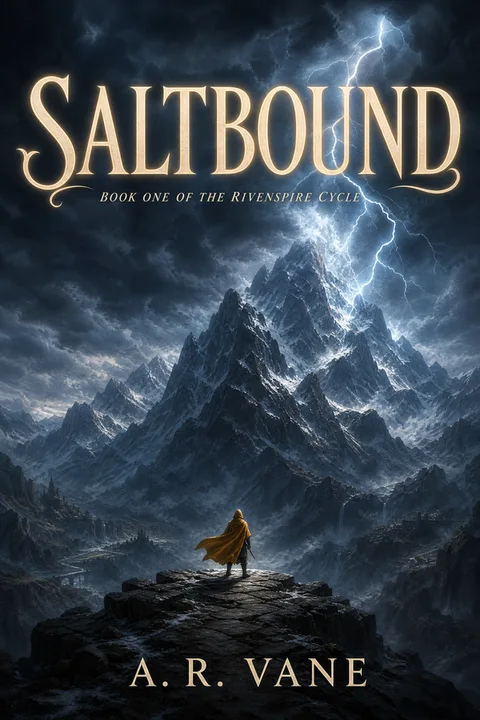
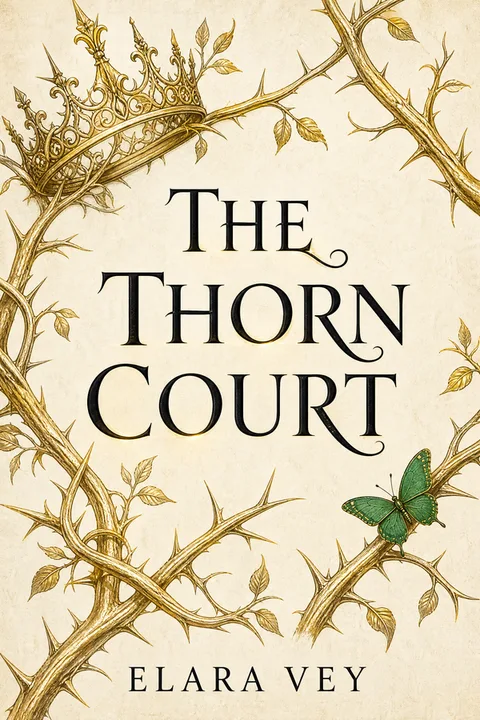
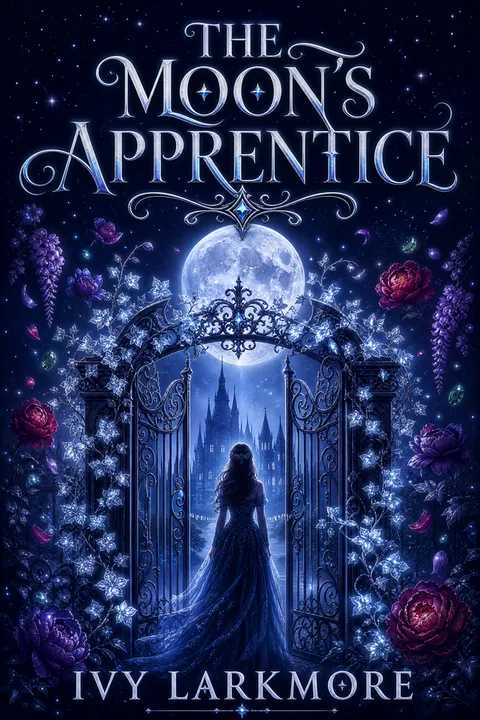
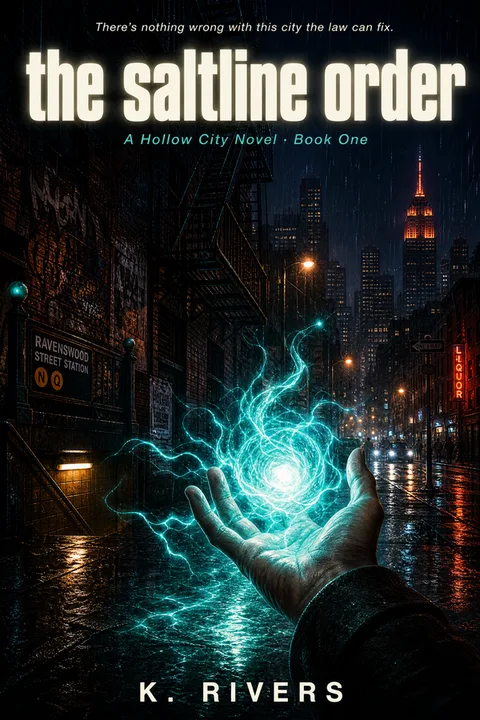
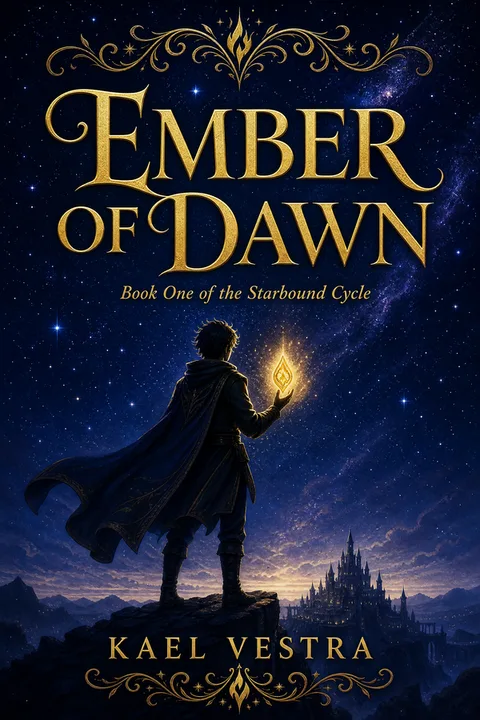
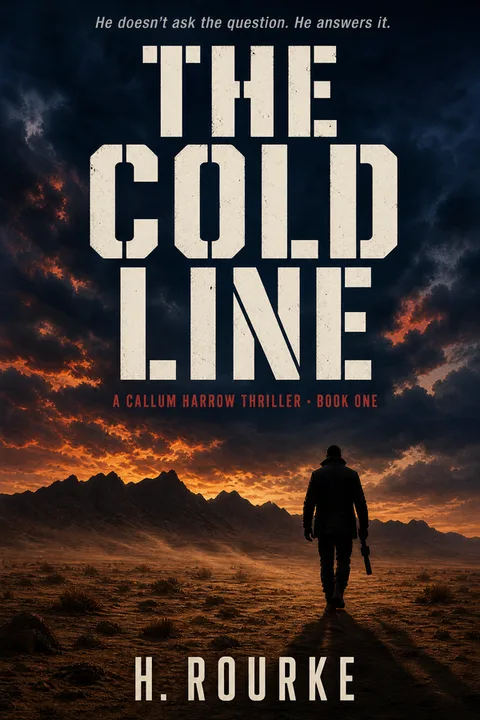
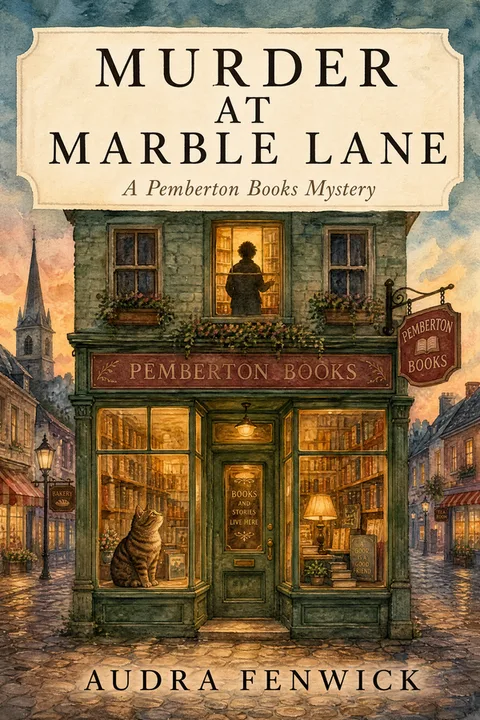
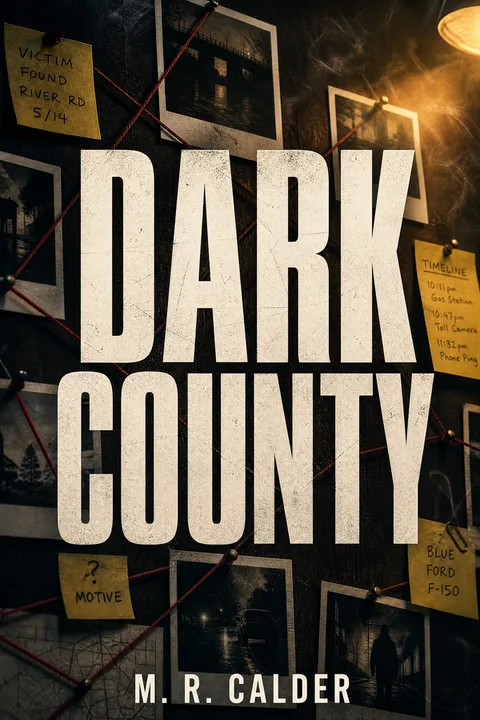
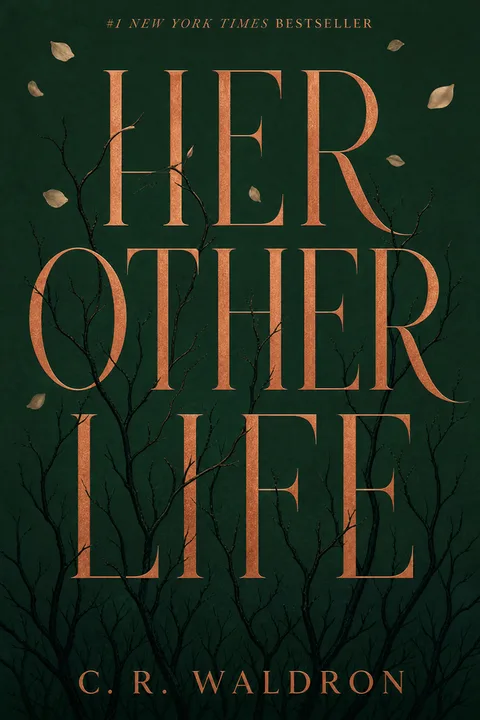
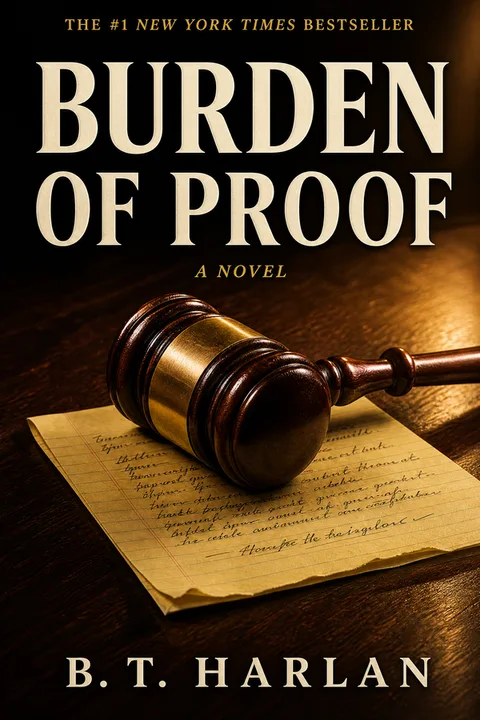
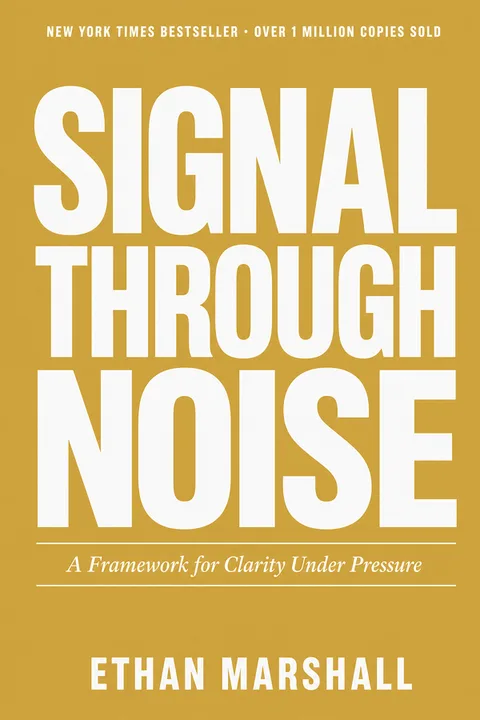

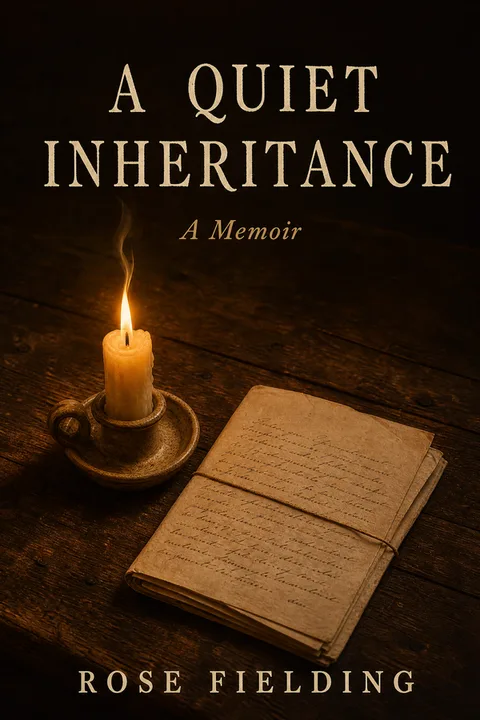
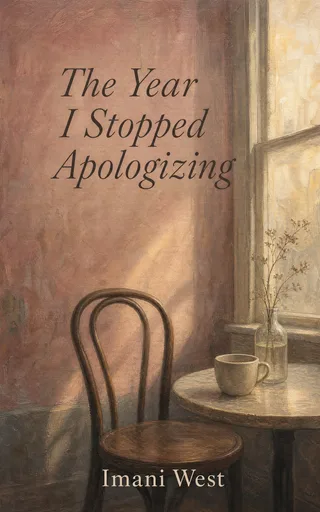
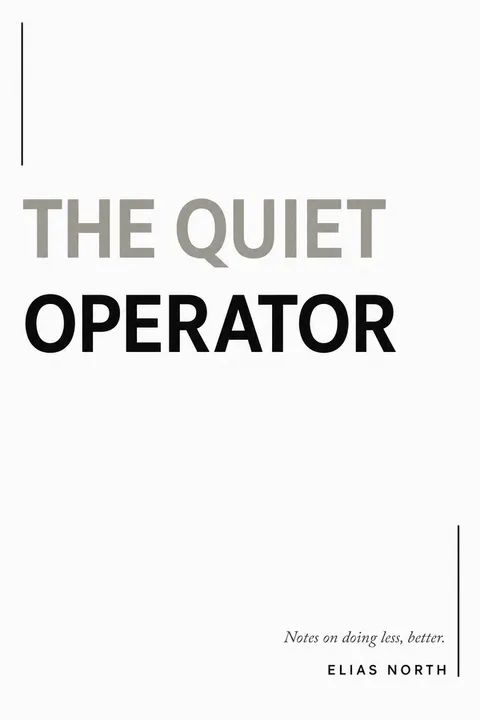
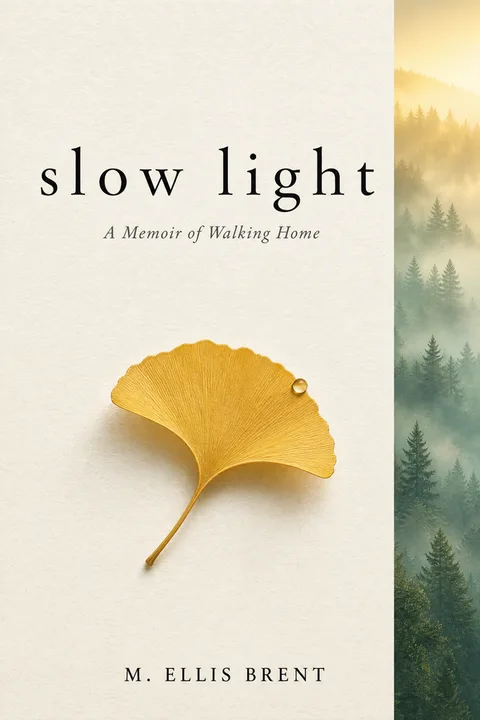
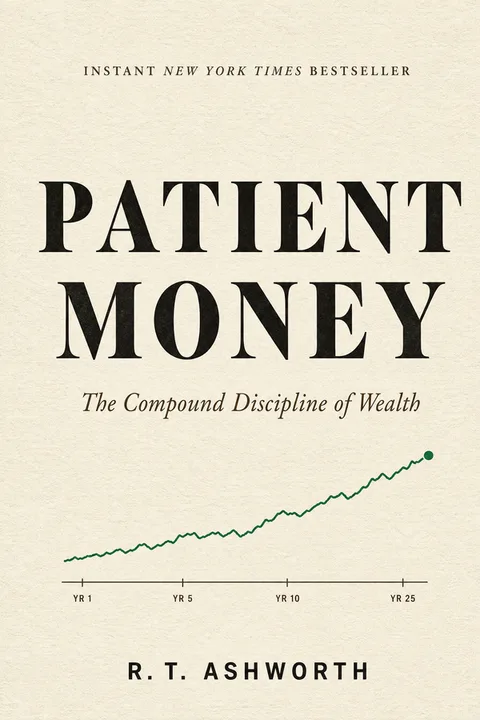
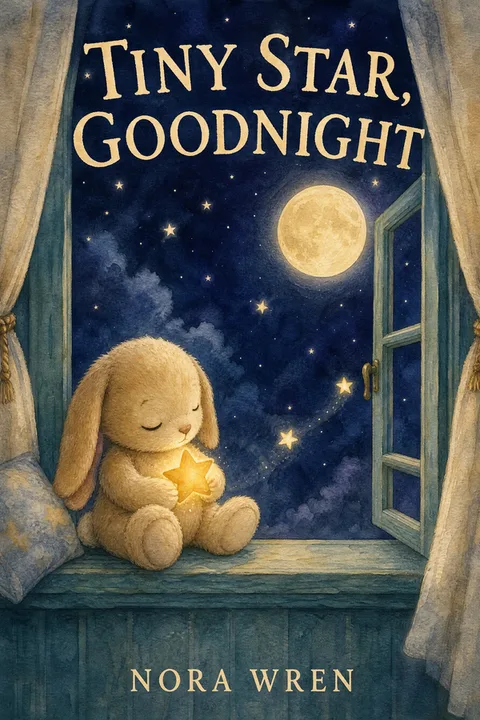
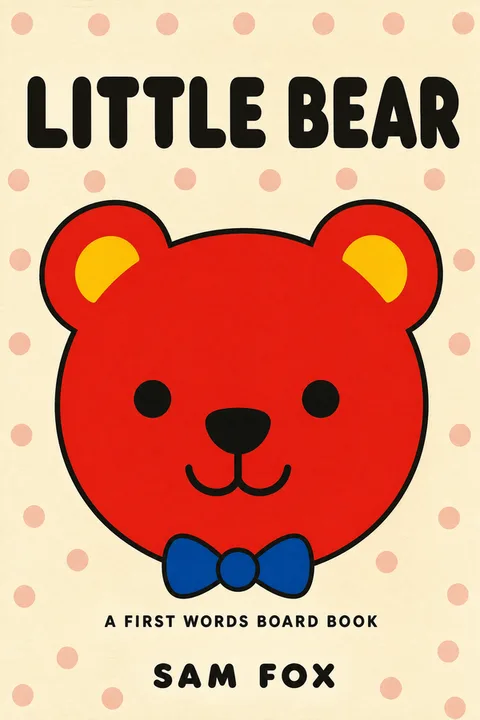
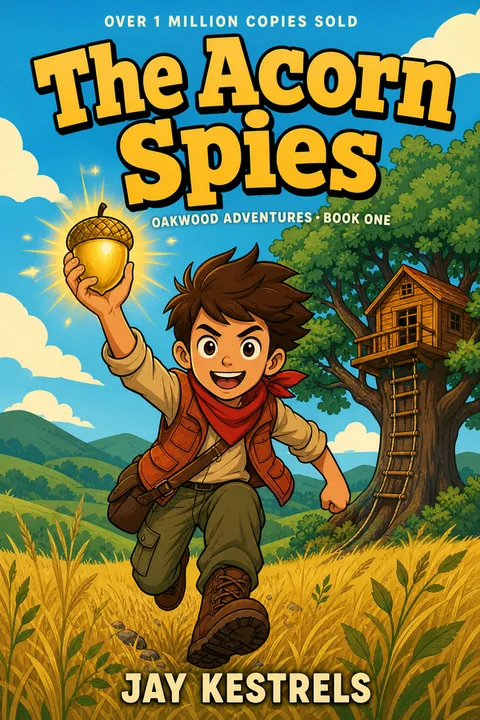
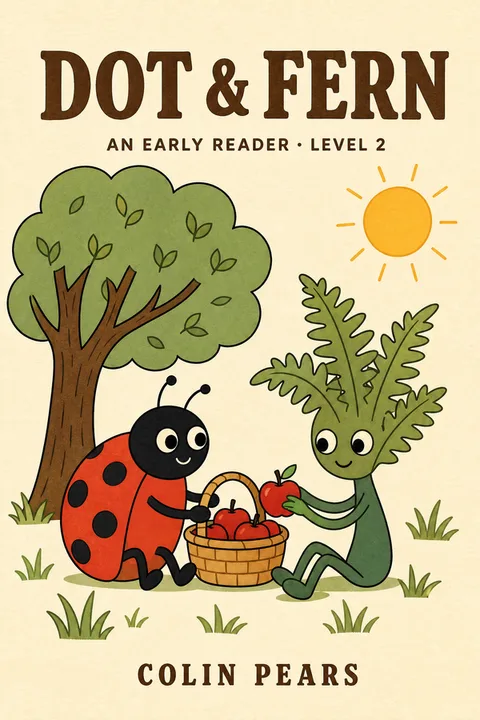
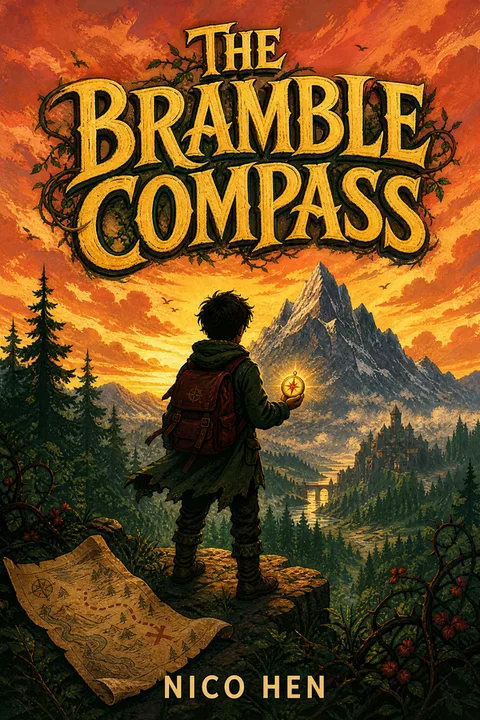
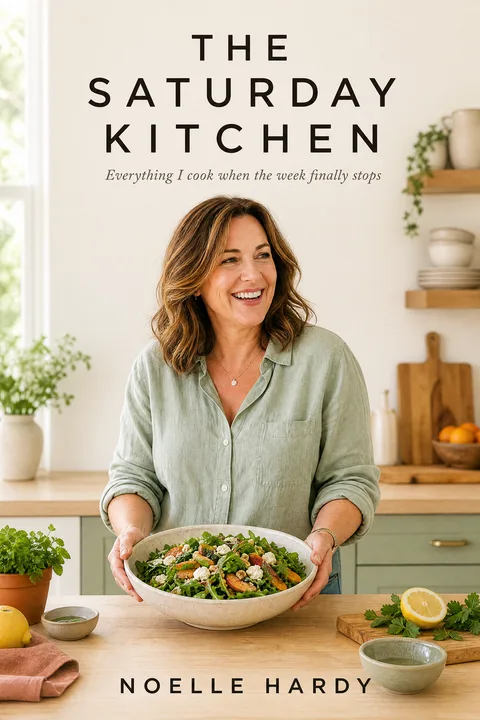
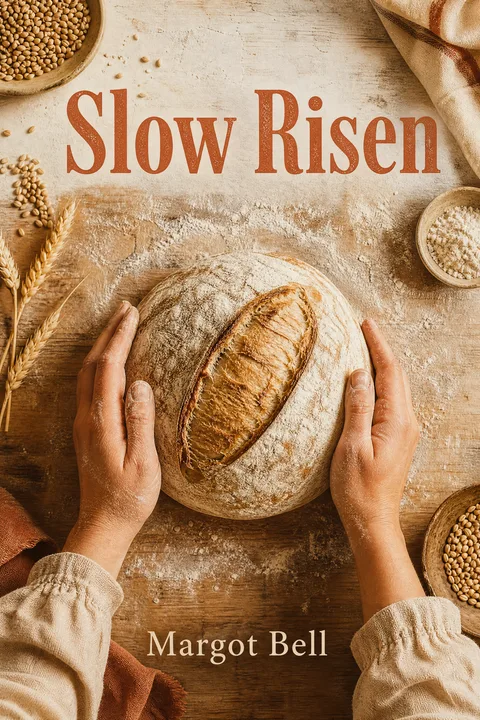
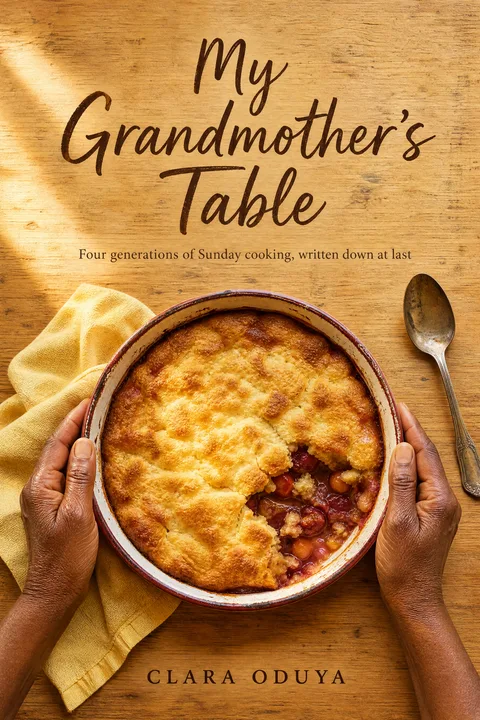
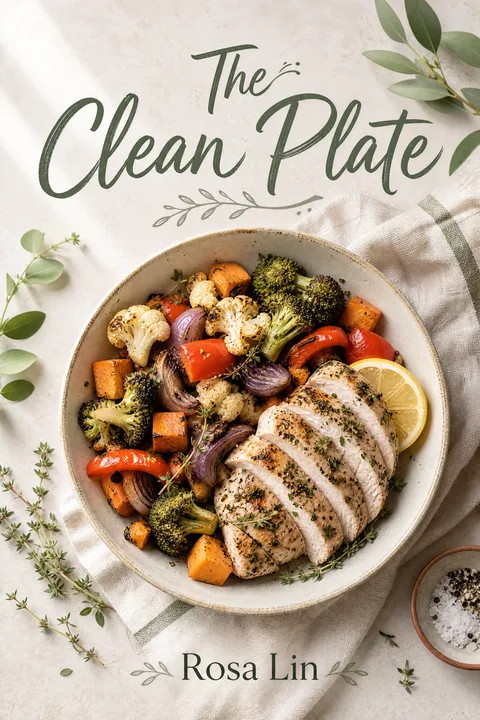
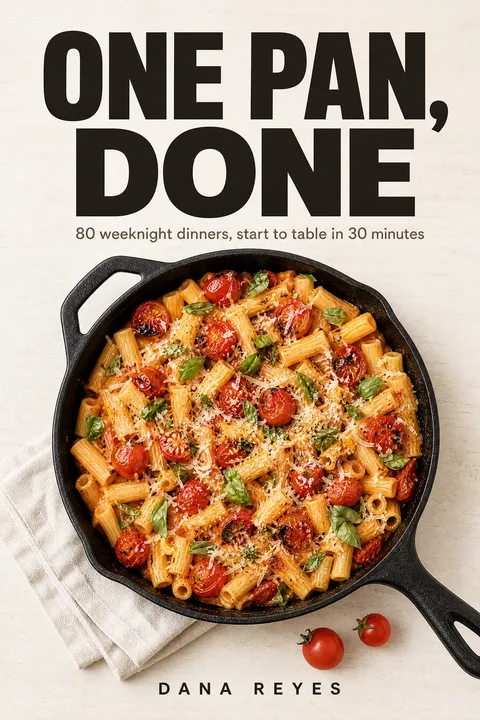
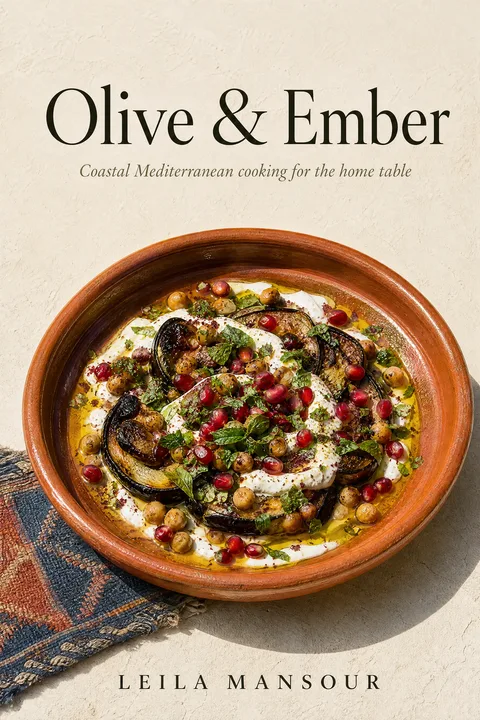
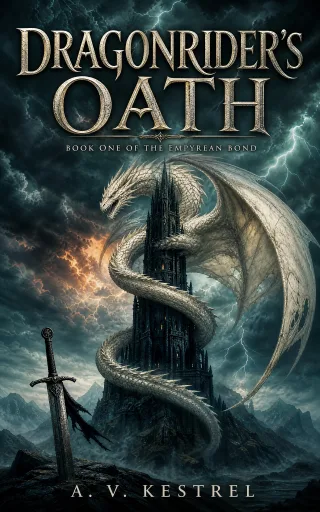
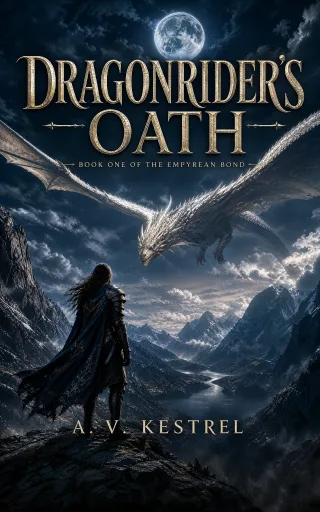
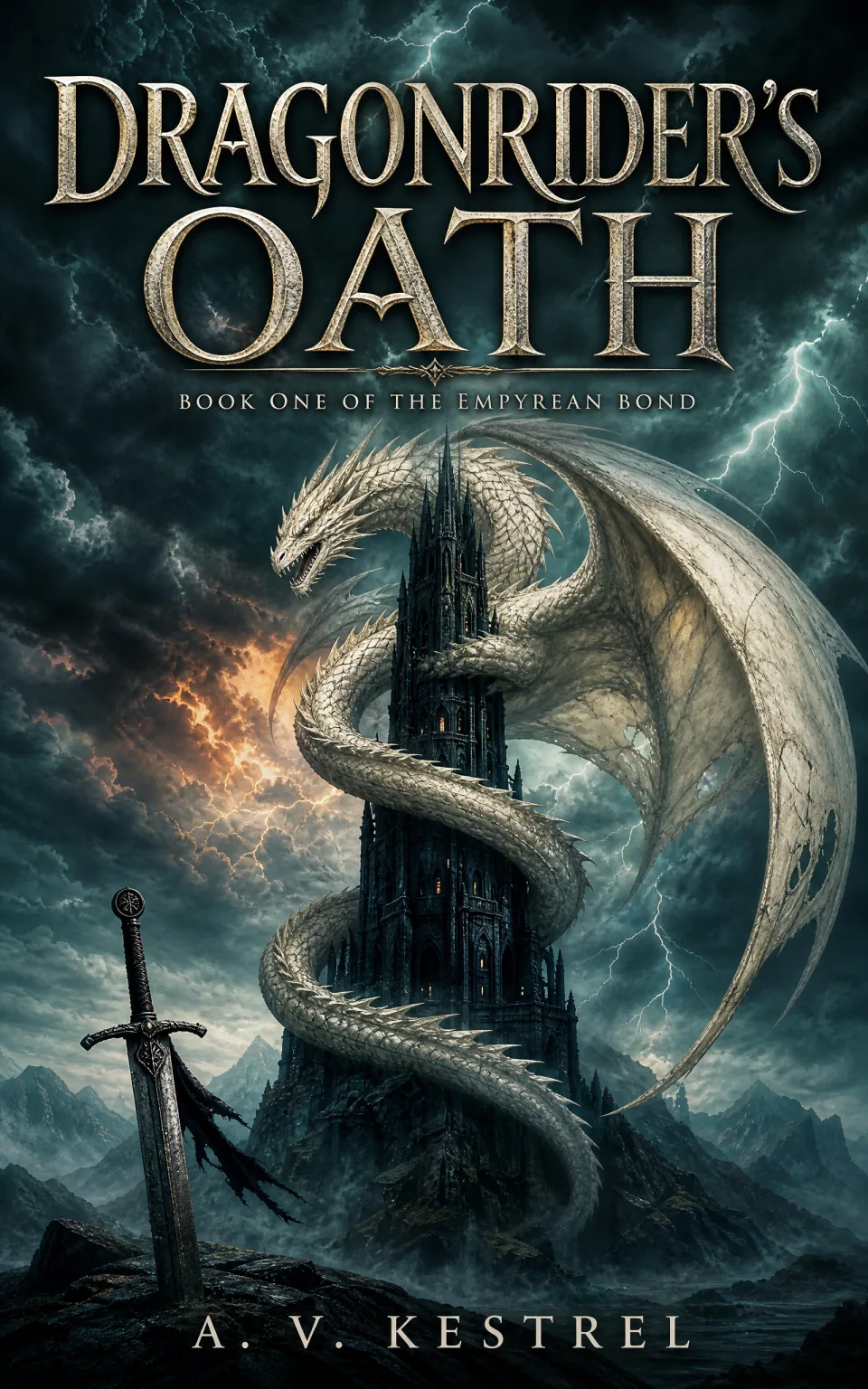
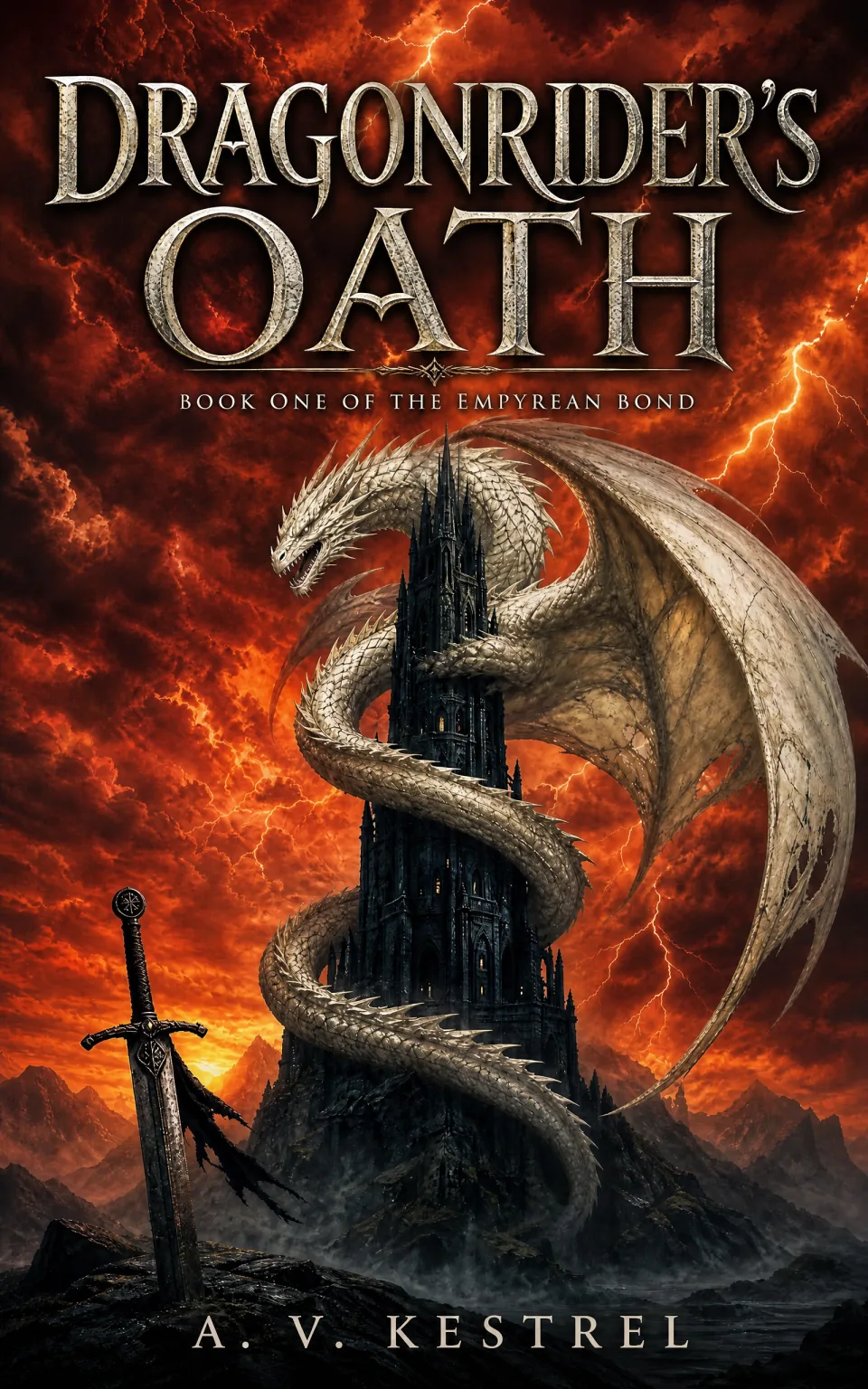
Templated tools leave you with a Canva-soup cover that 5,000 other indie books also used — readers spot it instantly and keep scrolling. Generic AI image generators return a pretty square, garbled title text, melted hands — not a cover you can upload to KDP. The "free" cluster usually means a watermarked preview and a paywall on anything usable. None of them know what actually sells in your genre.
Not opinion. Pattern-counted across every cover in the top tier — refreshed quarterly so what works this season is what your cover follows.
6 archetypes shown · more once you pick a subgenre on the next screen.
Every cover we generate is constrained away from these by default — that’s the whole point of anchoring to what already sells.
Title, author, subtitle. No prompt engineering, no AI vocabulary.
Pre-tuned to the patterns in the Pillar 0 exhibit above — you can't accidentally pick a non-romance look.
1600 × 2560 ebook PNG + 300 DPI print at 1792 × 2688. Full commercial rights.
The maker outputs at the right size for whichever of the five genres you pick — 6 × 9 is the indie-fiction standard; romance often sits at 5 × 8; children's picture books go square. Every cover we export is already sized to this — no calculator, no re-do.
"Free" book cover makers usually mean a watermarked preview and a paywall on the full-size download. Here is the real landscape for a usable, full-rights cover.